 Mitra Terkini
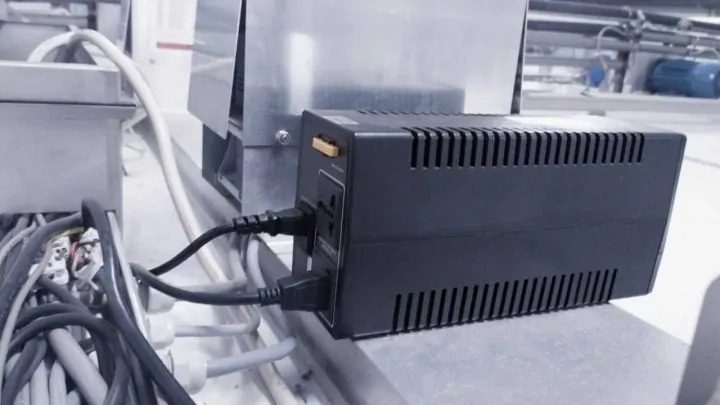
Terkini - Power continuity depends heavily on how well backup systems perform during outages. Facilities rely on consistent energy storage to protect critical equipment, yet many overlook the daily conditions that influence overall battery health. Environmental changes, charging habits, and load variations all shape how long a unit remains reliable.
Performance issues start small but can grow quickly if left unchecked, especially in facilities with sensitive electrical devices. A Uninterruptible Power Supply (UPS) operates under these conditions daily, making battery performance a key factor in overall system reliability.
This is where a UPS battery performance guide for modern operations becomes essential for predictable backup behavior. Let's look at what affects battery efficiency and how to optimize it.
What Affects UPS Battery Performance?
A well-performing energy backup system supports stable operations during unplanned power outages.
1. Temperature Variations
Temperature plays a major role in determining UPS battery health. High heat accelerates internal chemical reactions and reduces usable capacity. Low temperatures slow performance and increase charging time. Keeping the UPS in a ventilated, climate-controlled room helps reduce temperature-related stress and improves backup reliability.
2. Frequent Deep Discharges
A UPS battery is designed for short backup cycles, not repeated full discharges. Deep discharge cycles reduce overall lifespan and weaken internal plates. To prevent this, ensure the connected load is appropriate and avoid running the battery to complete depletion.
Regularly checking runtime patterns helps teams adjust usage and protect battery longevity.
3. Irregular Charging Patterns
Fluctuating charging behavior affects internal chemistry. Overcharging causes heat buildup and swelling. Undercharging leads to sulfation that reduces capacity. Using a high-quality charger that supports automatic voltage regulation helps maintain the correct charge levels. Routine checks of charging indicators allow facility teams to detect issues early.
4. ging and Natural Wear
Every UPS battery has a limited lifespan influenced by usage, chemistry, and maintenance habits. Over time, internal materials deteriorate, and capacity begins to fall.
Tracking age, recording discharge cycles, and scheduling timely replacements keep systems dependable. Most facilities replace batteries every three to five years, depending on operating conditions.
4. Poor Maintenance Practices
Dust buildup, loose terminals, and overlooked inspection routines all impact UPS battery reliability. Regular cleaning and tightening help support smooth power transfer during outages. Maintenance logs allow teams to track trends and identify early warning signs such as reduced runtime or fluctuating charge levels.
These factors influence the stability, output, and lifespan of every UPS battery, making consistent maintenance and correct operating conditions essential for dependable power backup.
Optimizing UPS Battery Performance
Improving efficiency requires simple but consistent steps. These practices help maintain strong performance and reduce disruptions during outages.
1. Maintain a Stable Operating Environment
Keep the battery in a cool, dry environment with adequate ventilation. Avoid placing the unit near heat-generating equipment or in unregulated rooms where temperature swings occur.
2. Test Batteries at Regular Intervals
Load tests help verify how much backup time remains and whether the battery shows early signs of degradation. Routine testing ensures the UPS responds effectively during sudden power loss.
3. Calibrate Charging Systems
Ensure the UPS charger is calibrated according to manufacturer guidelines. Proper charging reduces wear and maintains predictable backup performance across all connected devices.
4. Replace Aging Batteries on Time
Scheduled replacements help avoid unexpected shutdowns. Tracking battery age allows facility teams to plan upgrades and maintain reliable operations.
These optimization steps help ensure consistent performance and support strong power continuity when facilities need it most.
Partnering with a Trusted Electrical Brand for Better Performance
A reliable UPS battery determines how effectively a facility withstands power failures and maintains uninterrupted operations. When teams understand the factors that influence performance, they can reduce risks, extend battery life, and protect critical equipment. Consistent inspections, controlled environments, and timely replacements give facilities better control over unexpected outages and overall system stability.
Working with a trusted electrical brand supports long-lasting performance, dependable components, and better service experiences. High-quality products help every battery deliver predictable backup behavior and contribute to safer, more resilient electrical systems across commercial and industrial environments.