 Mitra Terkini
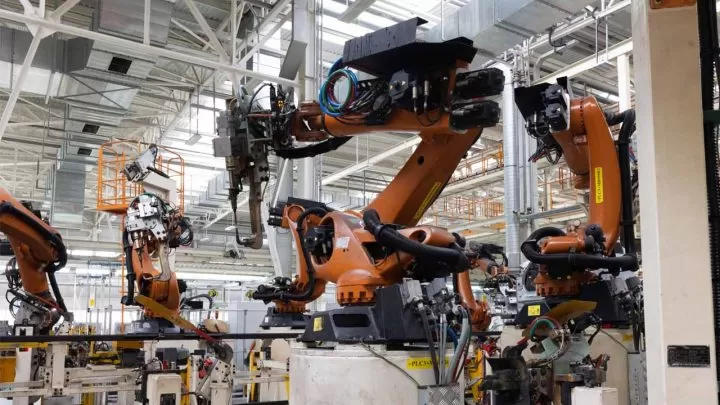
Terkini - Industrial automation has revolutionised industrial processes, redefining how industries operate by improving efficiency, productivity, and cost-effectiveness. This transformative approach integrates advanced equipment, electrical instruments, and cutting-edge smart devices to perform repetitive and complex tasks with minimal human intervention. By automating processes, industries can enhance consistency, reduce errors, and achieve higher precision in operations.
The deployment of industrial automation has also allowed businesses to optimise resource utilisation, ensuring maximum output with minimal waste. It plays a crucial role in meeting growing market demands by enabling faster production cycles and seamless scalability. However, as more businesses strive to incorporate automation, it becomes essential to understand its multifaceted benefits and the challenges associated with its implementation to maximise its potential.
Benefits of Industrial Automation
Industrial automation offers numerous advantages that make it an indispensable part of modern industries. Here are some of its key benefits:
1. Enhanced Efficiency
Automation allows industries to deploy sophisticated equipment and machinery that operate with precision and consistency. Tasks that once required hours of manual labour can now be completed within minutes, minimising production time and increasing throughput.
2. Improved Quality Control
By employing automated devices for quality checks, manufacturers can ensure consistent product standards. Advanced electrical instruments and sensors can detect even the slightest anomalies, reducing defects and waste.
3. Cost Savings
While the initial cost of implementing industrial automation might be high, it leads to significant cost savings in the long run. can operate continuously, eliminating the need for overtime pay and reducing dependency on manual labour.
4. Enhanced Safety