 Mitra Terkini
4. Maintenance and Upgrades
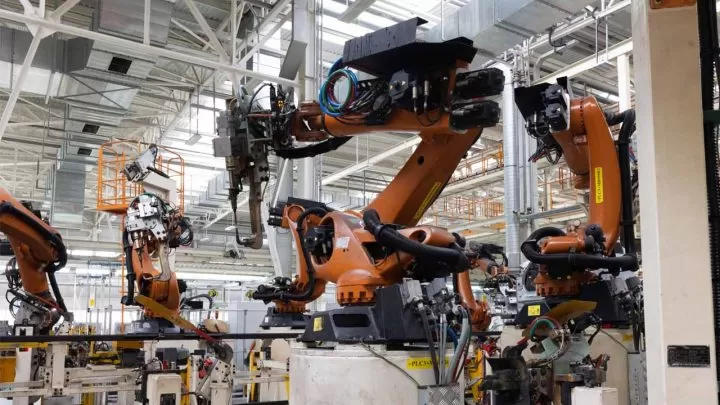
Automated systems require regular maintenance and periodic upgrades to function optimally. Industries must allocate resources for upkeep to avoid operational disruptions.
5. Cybersecurity Risks
As automation relies heavily on interconnected devices, it becomes susceptible to cyberattacks. Industries must deploy robust cybersecurity measures to safeguard their systems against potential threats.
Navigating the Challenges
To successfully implement industrial automation, businesses must adopt a strategic approach that includes comprehensive planning, adequate resource allocation, and collaboration with experts in the field. Investing in employee training and ensuring proper maintenance of equipment are also crucial steps to mitigate challenges.
Partnering with Reputable Energy Brands
Collaborating with a reputable electrical brand offers substantial advantages in industrial automation. Such brands provide high-quality electrical instruments, devices, and equipment that enhance the reliability and efficiency of automated systems. Their expertise ensures solutions are durable, advanced, and tailored to specific industrial needs. With customised offerings and robust after-sales support, these brands help businesses deploy automation seamlessly while ensuring optimal performance and longevity.
Partnering with trusted energy brands also simplifies integration, paving the way for successful automation implementation. Industrial automation, despite its challenges, is transforming industries by boosting productivity, improving quality, and enhancing safety. Strategic partnerships with reputable brands empower businesses to overcome hurdles, embrace cutting-edge technologies, and drive long-term growth in a competitive marketplace.